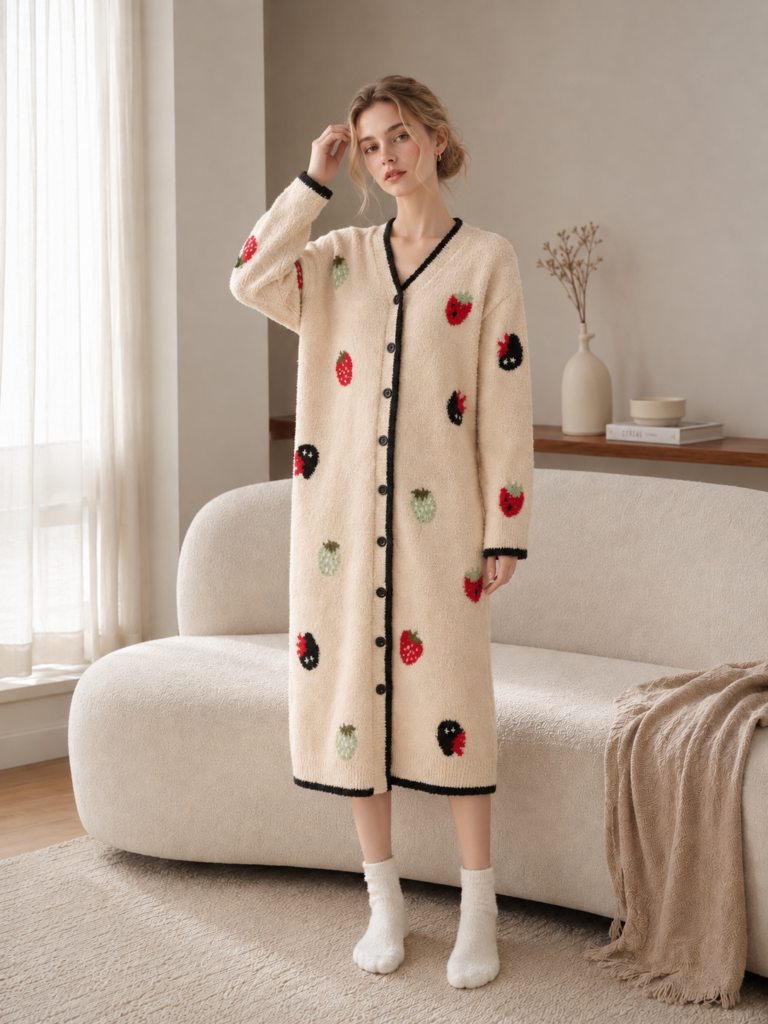
The short answer: every batch of GIGIWARM fabric goes through third-party testing before it becomes a pajama set, and that testing is separate from the hand inspection every single piece gets. One check certifies the batch; the other checks your exact garment. Neither is a substitute for the other, and a brand that only does one of them is telling you half the story.
That distinction is worth understanding before you buy any loungewear, because “tested” is one of the easiest words to print on a product page without explaining what was actually tested, by whom, and what the result can and cannot promise.
At a glance: the two checks behind every set
| Check | What it covers | When it happens |
|---|---|---|
| Third-party batch testing | Pilling, colorfastness, formaldehyde, pH, banned azo dyes | Every batch, before production runs |
| Hand inspection | Appearance, loose threads, size, flaws | Every single piece, before it ships |
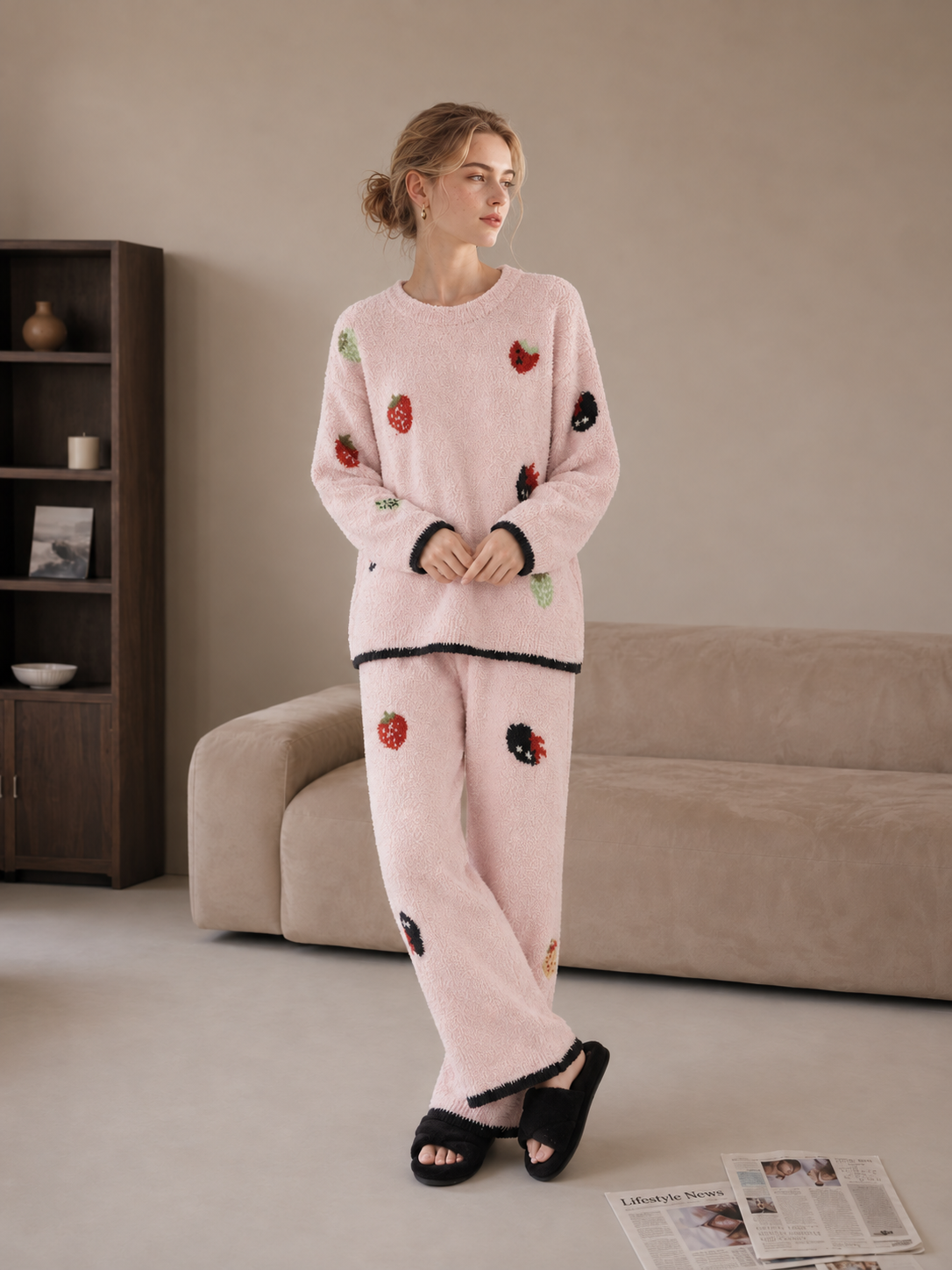
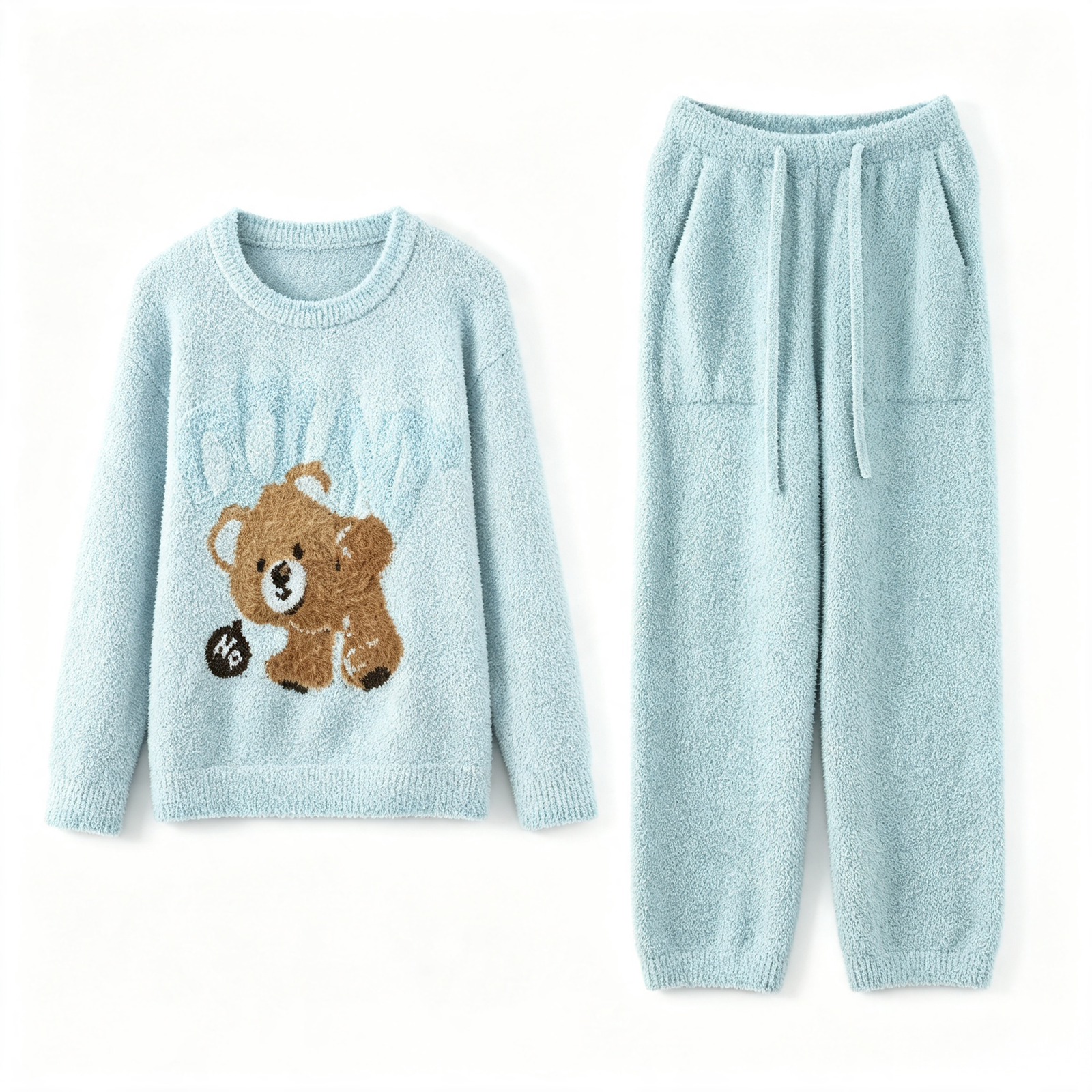
The sets that go through both checks include the Strawberry Crew Neck Half-Fleece Pajama Set and the Teddy Bear Print Crew Neck Half-Fleece Pajama Set — both $158 while the current promotion runs (regular price $168). Sizes and availability are on each product page in the shop.
1. What “every batch” actually means
A batch is a production run of fabric: one dye lot, one yarn run, one set of conditions. Testing every batch means the fabric is checked each time it is made, not once when the yarn was first developed and never again. That matters because dye, finishing, and handling can vary between runs even when the yarn recipe stays the same. Batch testing is one of the factory’s eight in-house steps — knitting through packaging, all done in Puyuan with no outsourcing — so a failed test can be traced to the step that caused it.
2. The five tests, in plain language
Third-party testing for each batch covers five things, and each one answers a question you would actually ask as a buyer:
- Pilling. Will the fabric go bobbly after a few washes? This is the test that matters most for plush fabric, and it is the reason the yarn itself went through dozens of sample rounds before it earned its name.
- Colorfastness. Will the color stay put in the wash, or bleed onto everything else in the machine?
- Formaldehyde. Is the finished fabric within safe limits for a garment worn against skin for hours?
- pH. Is the fabric’s acidity level within the range considered safe for direct skin contact?
- Banned azo dyes. Are any dyes on the restricted list present? The answer must be no, every batch, without exception.
None of these tests is glamorous, and none of them shows up in a product photo. But together they are the difference between a set that looks good on arrival and a set that still looks good after twenty washes. You can read more about the fabric itself in our fabric guide.
3. What Class A means — and what it does not
GIGIWARM’s sets meet the Class A textile safety standard, the highest category in China’s standard for textiles that touch skin directly. In practice, Class A sets the strictest limits on the things batch testing measures — formaldehyde, pH, and dye safety among them — for garments worn closest to the body.
What Class A does not mean is just as important: it does not promise that a garment will never pill, never fade, or never wear out. It certifies that the batch meets safety limits. How long a set looks new still depends on how it is washed and worn, which is why our care guidance stays conservative — cold water, gentle handling, no harsh drying.
That is an honest boundary, and it is one we would rather state here than have you discover it in the laundry room. A safety standard is a floor, not a guarantee of eternal newness.
4. Why hand inspection is a different check entirely
Batch testing can tell you the fabric is sound. It cannot tell you that your specific set was sewn straight, that its threads were trimmed, or that its size matches its label. That is what the second check is for: before any set leaves the factory, every single piece is inspected by hand — appearance, loose threads, size, and flaws. Not a sample of the batch. Every piece.
The two checks catch different failures, which is why both exist. A perfect batch can still contain a piece with a missed stitch; a perfectly sewn piece can still come from a batch with a dye problem. Skipping either check leaves a hole the other cannot fill. When you read a product page that says “quality checked,” the question worth asking is which of these two checks it means — and whether it means both.
If you want the fuller picture of the factory behind these checks, our About page covers the eight in-house steps and the Puyuan workshop where they happen.
FAQ
Is third-party testing the same as a certification?
Not exactly. Batch testing means an independent tester checks each batch against set limits for pilling, colorfastness, formaldehyde, pH, and banned azo dyes. Class A is the standard those limits come from — the highest category for textiles that touch skin directly.
Does batch testing mean my set will never pill?
No. Testing certifies the batch, and hand inspection catches piece-level flaws, but no test can promise a garment will never pill if it is washed hot, dried harshly, or rubbed against rough surfaces for months. Care still matters.
Why test every batch instead of once a year?
Because dye lots and production runs vary. Testing once would certify the first run and say nothing about the twentieth. Testing every batch is slower and more expensive, but it is the only version of the claim that stays true all year.
Does this apply to every product in the shop?
Yes — the same eight in-house steps, batch testing, and hand inspection apply across the range, including the strawberry and teddy bear sets named above. Shipping is free with no minimum, duties are included, and orders leave within 3 days, with about 15 working days in transit after dispatch.
Shop the sets in this article
If the testing story is what convinced you, start with the strawberry crew-neck set or the teddy bear set — both $158 (was $168) — or browse the full shop to compare silhouettes. Shipping is free, duties are included, and orders placed by November 30 arrive in time for Christmas.
Deja una respuesta