What Is Anti-Static Yarn? Winter Comfort Explained
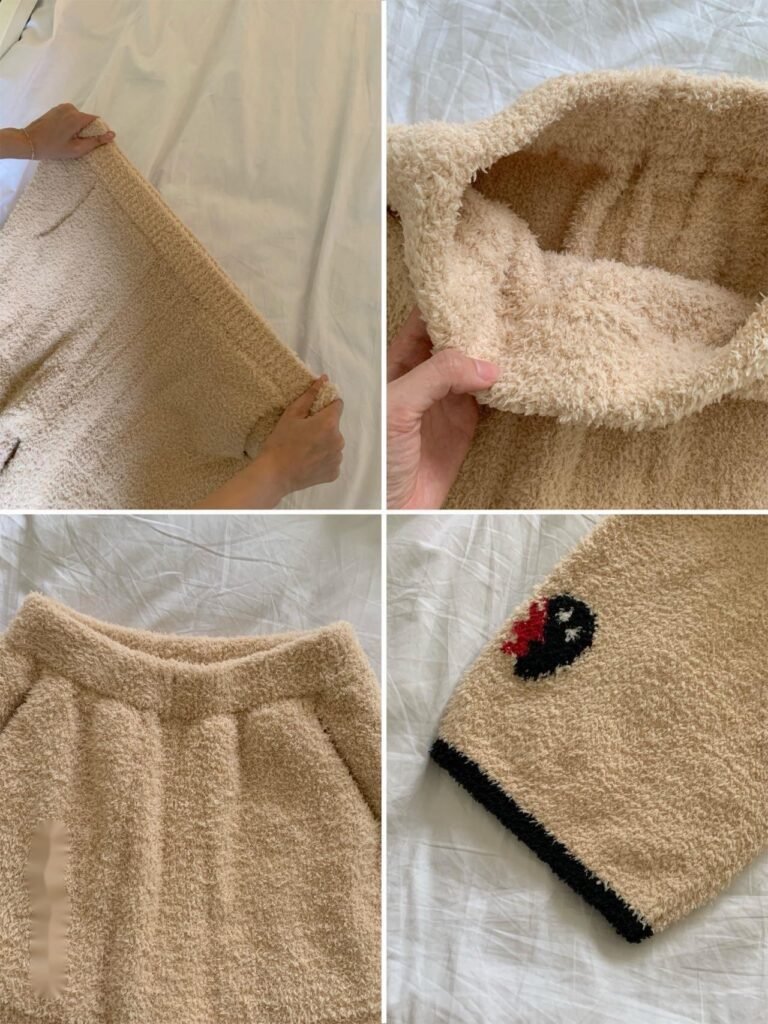
You know the moment. You pull a warm top over your head on a dry winter evening, and it crackles. It clings to the layer underneath. A small shock jumps from your sleeve to a door handle. None of it is dangerous in the ordinary course of a night at home, but all of it is annoying — and it is exactly the kind of small friction that can make an otherwise cozy set of pajamas feel less comfortable than it should.
Static builds up more easily in winter because cold air holds less moisture, and dry fabric rubbing against fabric has fewer paths to release that charge. That is why a technical-sounding question — what is anti-static yarn? — is a very practical winter question. The answer matters less as a label and more as a construction choice: how the property gets into the yarn, and whether it stays there after repeated wear and washing.
Woven In, Not Sprayed On
There are two very different ways to make a fabric less prone to static. One is to finish the surface: coat or spray the outside of the finished cloth so that it behaves better for a while. The other is to build the property into the yarn itself, before the fabric is ever knitted.
GIGIWARM takes the second route. Its anti-static yarn is woven into the yarn — it is part of the yarn, not a coating sitting on top of the finished fabric. That distinction is the whole point of the claim, and it is worth holding any winter loungewear to it. A surface treatment can wear down with use. A property that is part of the yarn is present in the structure of the material itself, in every part of the garment, not only on the face that was treated last.
Why Winter Makes Static Worse
Static is not a winter-only problem, but winter makes the conditions for it more common. Heated indoor air tends to be dry. We wear more layers, which means more fabric-on-fabric contact. We reach for plush, warm fabrics precisely when the air is least able to help dissipate a charge.
That combination is why a set that felt calm in autumn can start to cling in January: not that the fabric has changed, but that it now faces more rubbing and less moisture.
No single yarn can promise a completely static-free winter. What a well-chosen yarn can do is reduce the tendency to build up and cling, so those small annoyances become less frequent — a modest improvement, but a meaningful one for a garment worn for hours every evening.
The Yarn Behind the Comfort
GIGIWARM’s fabric is called Cloud Knit, a half-velvet — sometimes described as half fleece — made from 100% polyester with a high-density modified yarn. The “half” in half-velvet matters: the pile is short and dense rather than long and shaggy, which gives the fabric its smooth, matte hand feel instead of a loose, fluffy one.
Anti-static performance sits inside that same yarn story, alongside two other properties the yarn was developed for: resistance to pilling and low shedding. The development behind those properties was not a single decision. It took dozens of sample rounds to develop the yarn, testing how the modified yarn behaved before it was ever committed to a finished garment. That slow, iterative work is easy to skip in a product description, but it is where comfort claims are actually earned: not in a marketing line, but in repeated rounds of making, checking, and adjusting.
The same care continues after knitting. GIGIWARM’s factory in Puyuan, making apparel since 2014, keeps eight processes in-house — knitting, dyeing and setting, cutting, sewing, finishing, full inspection, batch testing, and packing — with nothing outsourced. Every piece is inspected by hand before it leaves, and every batch is third-party tested for pilling, colorfastness, formaldehyde, pH, and banned azo dyes, to the Class A standard for textiles in direct contact with skin. More on the fabric is in the fabric guide (https://gigiwarm.com/fabric/).
What This Means When You Choose Winter Sleepwear
If static is one of the things that bothers you in winter, use it as a filter, not as the only deciding factor. First, look for the construction: is the anti-static property woven into the yarn, or is it described only as a finish? Second, look at the whole fabric story. A short, dense half-velvet pile will behave differently from a long, loose fleece, and the difference shows up not only in static but in how the garment drapes, how it sheds, and how it holds up over a season of wear.
Third, think about the silhouette you actually live in. A Pajama Set (https://gigiwarm.com/product/strawberry-crew-neck-half-fleece-pajama-set/) gives full coverage for cold evenings. A Cardigan Pajama Set (https://gigiwarm.com/product/half-fleece-fair-isle-cardigan-pajama-set/) adds a layer you can take off when the room warms up, which also means one less layer clinging when you move around the house. The right choice is the one that matches how you sleep and how warm your home runs — not the one with the longest list of claims.
Finally, keep expectations honest. Anti-static yarn reduces a winter annoyance; it does not repeal winter. What good construction buys you is fewer of those moments, in a garment also made to resist pilling, shed less, and meet a strict safety standard.
FAQ
What is anti-static yarn?
Anti-static yarn is yarn made to reduce the build-up of static electricity in fabric. At GIGIWARM, the anti-static property is woven into the yarn itself, rather than sprayed or coated onto the surface of the finished fabric.
Why does static get worse in winter?
Winter air tends to be drier, and we wear more layers, so there is more fabric-on-fabric rubbing and less moisture to help dissipate charge. That combination makes clinging and small shocks more noticeable in cold months.
Is anti-static yarn the same as an anti-static spray or finish?
No. A spray or surface finish sits on the outside of the finished cloth. Yarn with the property woven in carries it in the structure of the material itself, in every part of the garment.
Does GIGIWARM’s half-velvet fabric pill or shed a lot?
The high-density modified yarn was developed over dozens of sample rounds with resistance to pilling and low shedding as goals, and every batch is third-party tested for pilling, among other properties. No fabric can promise zero pilling forever, but the yarn was chosen to resist it.
Lascia un commento